The 10th edition of C² is coming soon. The energy multiplies. Stay tuned.

How to Drink Beer Like a Pro
A Complete Indian Guide to Beer Culture, Styles & Etiquette
Jitendra Khater, Dada Bartender
4/21/20264 min read


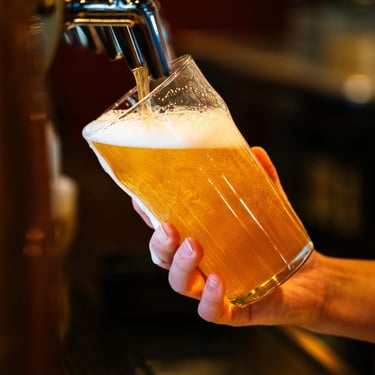
Beer isn’t just a drink—it’s a culture, a craft, and when done right, an experience. From cracking open a chilled can on a humid Indian afternoon to sipping a fresh pint at a microbrewery, drinking beer “like a pro” is all about understanding what’s in your glass, how you serve it, and how you enjoy it.
Let’s break it down—from basics to advanced, with a strong Indian lens.
Understand Your Beer First
Before drinking like a pro, know what you’re drinking.
Major Beer Types
Lager – Light, crisp, easy (most popular in India)
Ale – Fruity, complex, warmer fermentation
Wheat Beer – Smooth, citrusy (great for beginners)
IPA (India Pale Ale) – Bitter, hoppy, bold
Stout/Porter – Dark, coffee/chocolate notes
India traditionally leaned heavily toward lagers and strong beers, where alcohol strength was the main differentiator rather than flavor complexity.
The Indian Beer Scene
Old-School India
Beer culture = “strong beer = better kick”
Dominated by brands like:
Kingfisher
Haywards 5000
Thunderbolt
Golden Eagle
New-Age India
Rise of craft beer & microbreweries
Urban consumers shifting toward:
Wheat beers
IPAs
Premium lagers
Market growing rapidly with premiumisation trends
Bottle vs Can vs Draft vs Mug
This is where “pro-level” drinking starts.
Bottle Beer
Classic, widely available
Brown bottles protect from light
Slight risk of “skunky” taste if exposed to sunlight
In India, crown caps (not twist-offs) are still dominant.
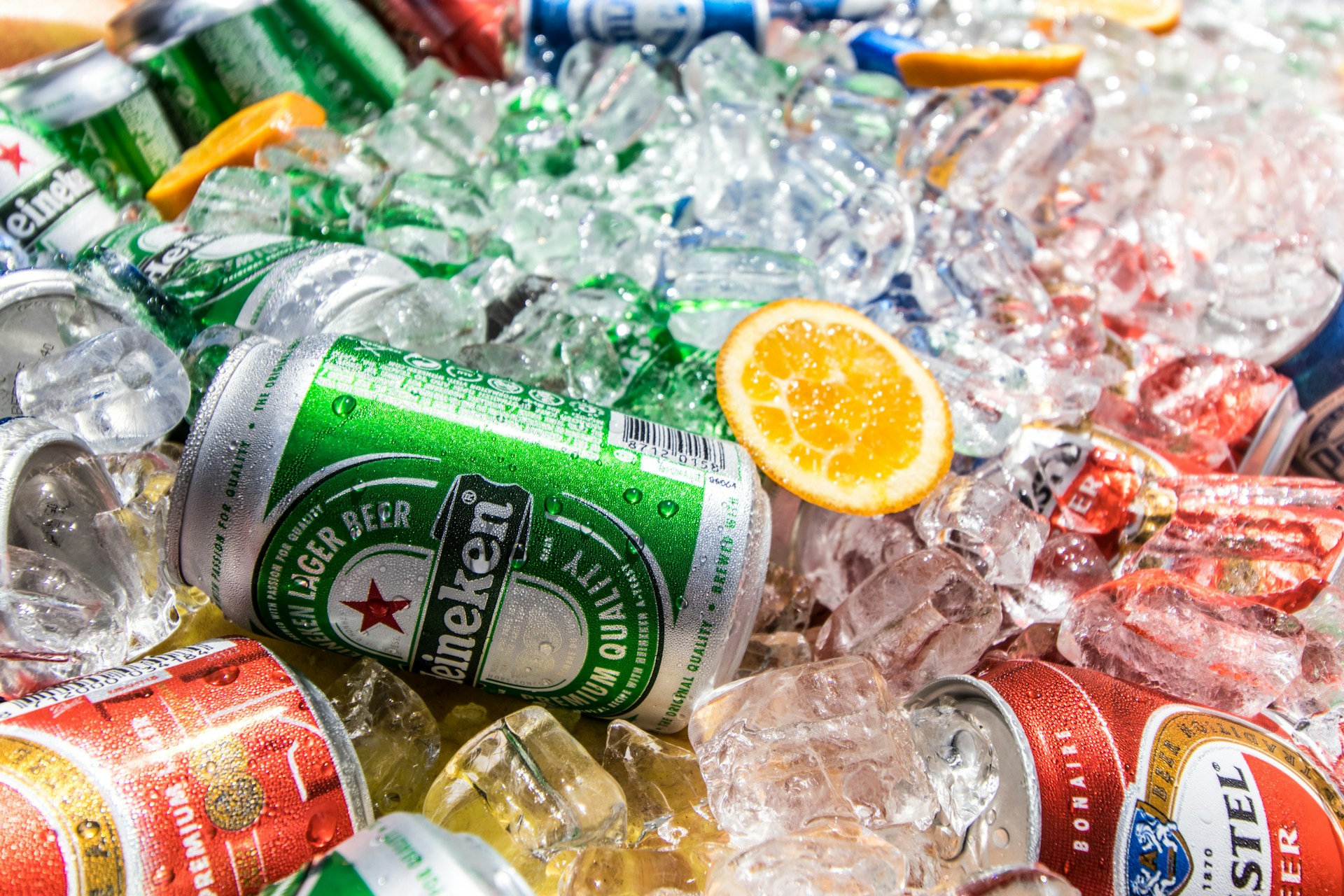
Can Beer
Blocks UV completely → better freshness retention
Portable, chills faster
Increasingly popular in urban India
Pro Tip: Don’t drink straight from the can—pour it.
Draft / Tap Beer
Freshest form
Stored cold, minimal oxidation
Best foam (head) control
This is how pros prefer it.
Mug / Glass
Always the right way to drink beer
Enhances:
Aroma
Foam
Visual appeal
Different glasses for different beers:
Pint glass → Lager
Weizen glass → Wheat beer
Tulip glass → IPA
Temperature Matters (A Lot)
Lager: 3–7°C (super chilled)
Ale/Wheat: 7–12°C
Stout: 10–13°C
Too cold = kills flavour
Too warm = flat and unpleasant
Pouring Like a Pro
Forget what Bollywood taught you.
The Right Way:
Tilt glass at 45°
Pour slowly
Straighten at the end
Leave 1–1.5 inch foam head
Foam = releases aroma + improves taste
Taste It, Don’t Just Drink It
A pro doesn’t gulp. They experience.
3-Step Method:
Look → Color, clarity, foam
Smell → Malt, hops, citrus, spice
Sip → Balance, bitterness, finish
Food Pairing (Indian Style)
Beer + food = underrated art.
Lager → Butter chicken, biryani
Wheat beer → Fish fry, salads
IPA → Spicy kebabs, chilli dishes
Stout → Chocolate desserts
Popular Beer Brands in India
Mainstream Legends
Kingfisher (since 1978, still dominant)
Tuborg
Carlsberg
Budweiser
Haywards
These dominate because they’re affordable, widely available, and consistent.
Craft & New-Age Brands
Bira 91 (urban favourite, launched 2015)
Simba
White Owl
BeeYoung
These focus on flavour over strength.
Oldest & Forgotten Beers in India
Beer in India isn’t new.
British introduced modern brewing
Early brands:
Lion Beer (1840s)
Golden Eagle
Sandpiper
Many of these have faded or lost dominance over time.
Trends Every Beer Drinker Should Know
Rise of microbreweries in cities like Bangalore, Gurgaon, Pune
Growth of premium & craft beer segment
Shift from “strong beer” → flavour-driven drinking
Canned beer boom due to convenience
Experimentation with:
Fruit beers
Low-cal beers
Non-alcoholic beers
Rookie Mistakes to Avoid
Drinking straight from bottle/can
Overchilling premium beer
Mixing beer styles randomly
Judging beer only by “kick”
Ignoring glassware
Drinking beer like a pro ultimately comes down to understanding the details most people ignore. It begins with the pour—holding your glass at about a 45-degree angle and letting the beer flow gently along the side before straightening it to create a natural foam head. That froth, often mistaken as unnecessary or wasteful, is actually essential. It traps aromas, enhances flavour, and gives the beer its proper mouthfeel. In fact, a beer without a head is considered incomplete. This also ties into one of the biggest myths—more chilled always means better. While an ice-cold lager feels refreshing in India’s heat, over-chilling can numb flavours, especially in wheat beers, ales, or darker styles, which are meant to be enjoyed slightly warmer to reveal their full character.
Another commonly overlooked detail is packaging. Many Indian consumers don’t realise why most beers come in brown or green bottles. These darker shades protect the beer from sunlight, which can react with hops and create that unpleasant “skunky” smell. Cans, on the other hand, completely block light and are now gaining popularity in India for preserving freshness and convenience, especially among younger drinkers.
Then there’s the long-standing Indian mindset that beer is all about strength—the higher the alcohol, the better the value. This is why strong lagers have historically dominated the market, driven by climate, pricing, and drinking habits that favour quick impact over slow appreciation. But that narrative is changing. With the rise of microbreweries and craft brands, consumers are slowly shifting from asking “kitna strong hai?” to “kaisa taste hai?”, exploring flavour, aroma, and style rather than just alcohol content.
As you move deeper into beer culture, you also realise that it’s not limited to being consumed straight. Beer has found its way into cocktails, adding fizz, lightness, and complexity. Whether it’s a citrusy wheat beer mixed with spices for a refreshing Indian twist or a bold lager used to lengthen and balance a stronger spirit-based drink, beer cocktails are becoming increasingly popular, especially in modern bars and experimental menus.
At the end of the day, drinking beer like a pro isn’t about following strict rules—it’s about being aware of what’s in your glass and why it tastes the way it does. It’s knowing that the foam matters, the temperature matters, the glass matters, and even the bottle matters. Because once you start paying attention to these small details, beer stops being just a casual drink and becomes an experience you truly understand and enjoy.
A pro doesn’t just drink beer—they understand it, respect it, and enjoy every sip.